I have originated dozens of residential and day courses. The most recent include The Life and Work of William Blake, The Life and Music of Benjamin Britten, Georgian Architecture and The Northern Renaissance. My 2023 programme is lighter than usual because of the closure of two residential colleges and my work on the Poundbury project. That said, I will be offering the following courses at the amazing Marlborough College Summer School. If you are interested see their website: https://summerschool.co.uk/
10-14 July – Mornings
The Arts of Spain
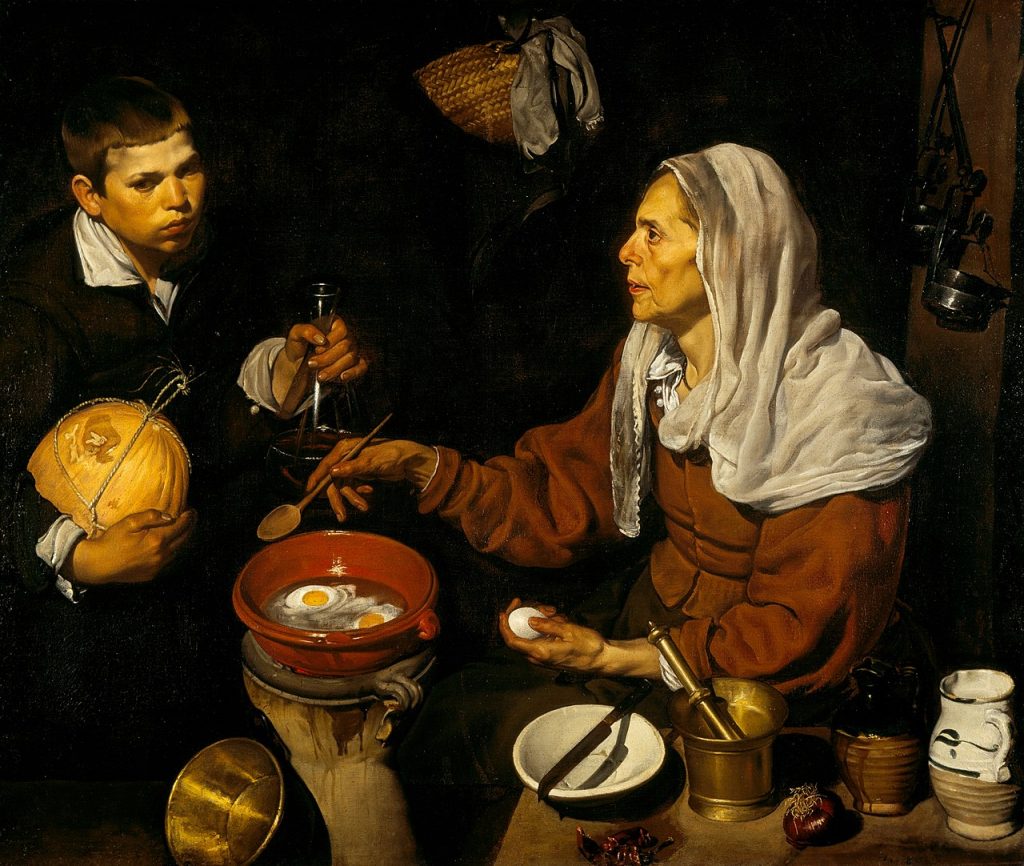
In a glaring omission, Kenneth Clark famously excluded Spanish art from his great survey of ‘Civilisation’. Our epic survey of the arts will start with Celtic-Iberian sculpture, the stunning Roman legacy and the mysterious world of the Visigoth kingdom. Then the contribution of Islamic culture will be assessed before evaluating the Romanesque, the Gothic and everything that followed. We will examine great masterpieces by El Greco, Velasquez, Murillo and Goya and conclude with Gaudí and his contemporaries, plus Picasso, Dalí and Miró, as well as more recent notables in Spanish visual culture. The distinct music of Spain will flavour our cultural adventure.
10-14 July – Afternoons
One Thousand Years of Spanish Music
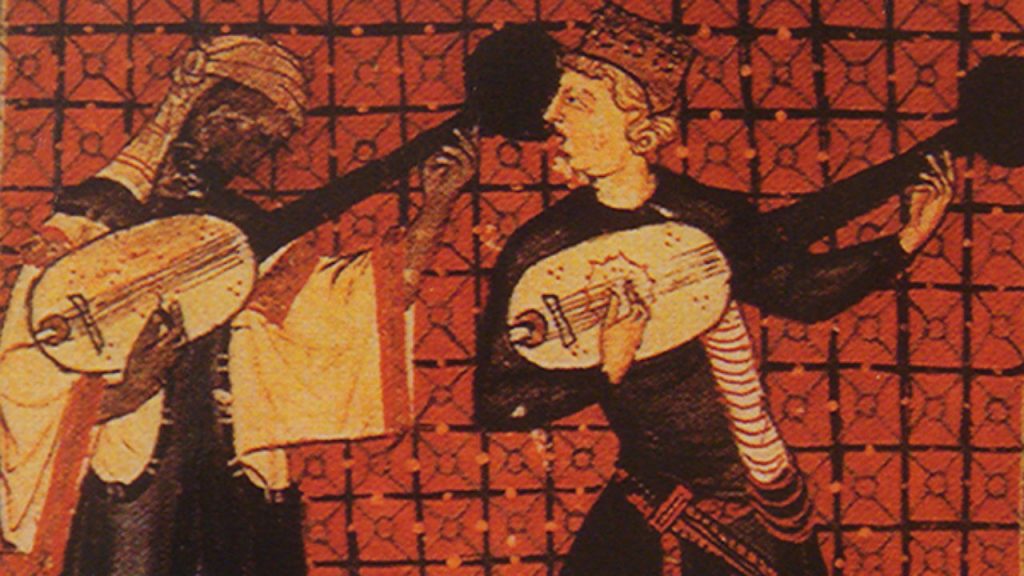
The music of Spain has deep roots and is related to the music of the Islamic world and Jewish traditions as well as the more conventional music found elsewhere in Europe. We will encounter the blending of traditions and the making of a unique sound signature that is instantly recognisable. We will explore the music of Islamic Spain and its Christian counterpart, the glories of Spanish polyphony and the virtuosic music Scarlatti, Soler and Arriaga – known as the Spanish Mozart! Our survey will include Manuel de Falla, Enrique Granados and Isaac Albéniz concluding with some Zarzuela, flamenco and the evocative music of Joaquín Rodrigo.
24-28 July – Mornings
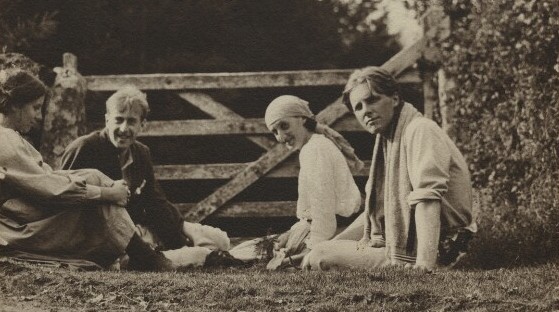
Bloomsbury and Bohemia
Love or revile them, members of the Bloomsbury coterie were at the vanguard of cultural change at the beginning of the 20th century. They were part of a larger revolt against the strictures and conformities of Victorian society and this general phenomenon will be explored in some detail. Bohemian London will be under the spotlight and we will be appalled and delighted in equal measure in the company of Lady Ottoline Morrell, the Sitwells and others. The lives of artists, writers, poets, musicians and some very naughty socialites will be discussed. The course will be illustrated throughout.
31 July – 4 August – Mornings
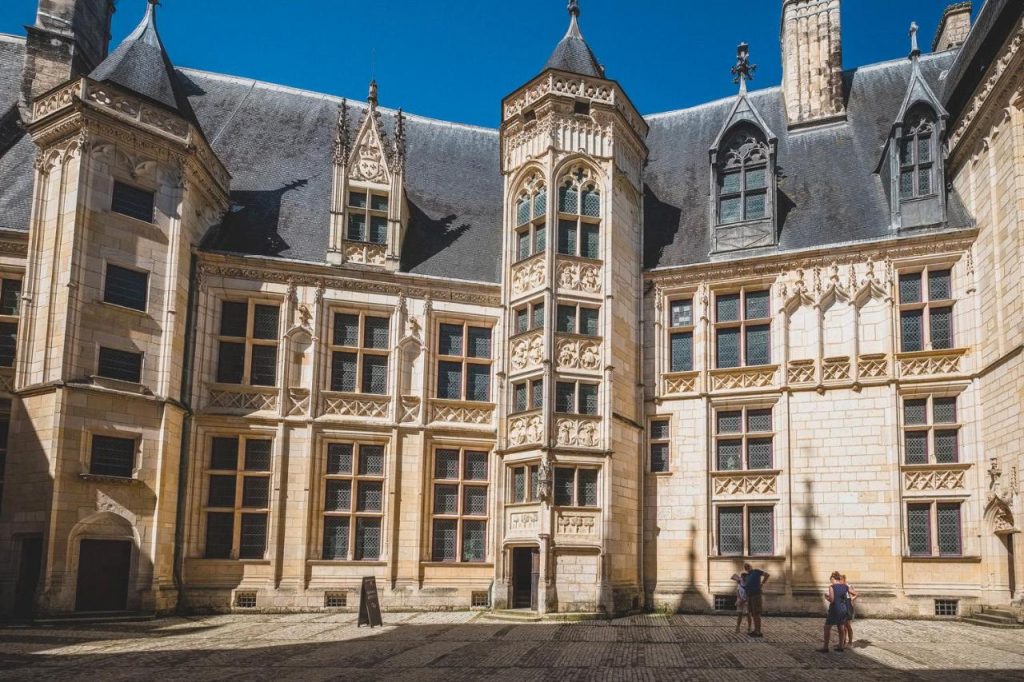
The Splendour and Magnificence of the Arts in Northern Europe 1400-1600
The Italian Renaissance has dominated our appreciation of the arts in Europe. Thanks to Vasari we know much about the lives and personalities of those involved. With no Vasari equivalent to guide us, north of the Alps the story feels more complex and fragmented and yet it is possible to see things as both related to what was happening in Italy and equally innovative. We will explore the visual world of the Burgundian court, the extraordinary development of the arts in the Low Countries and elsewhere culminating in the achievements of Bosch, Brueghel, Dürer and Holbein.
31 July – 4 August – Afternoons
Maps, Atlases and Globes
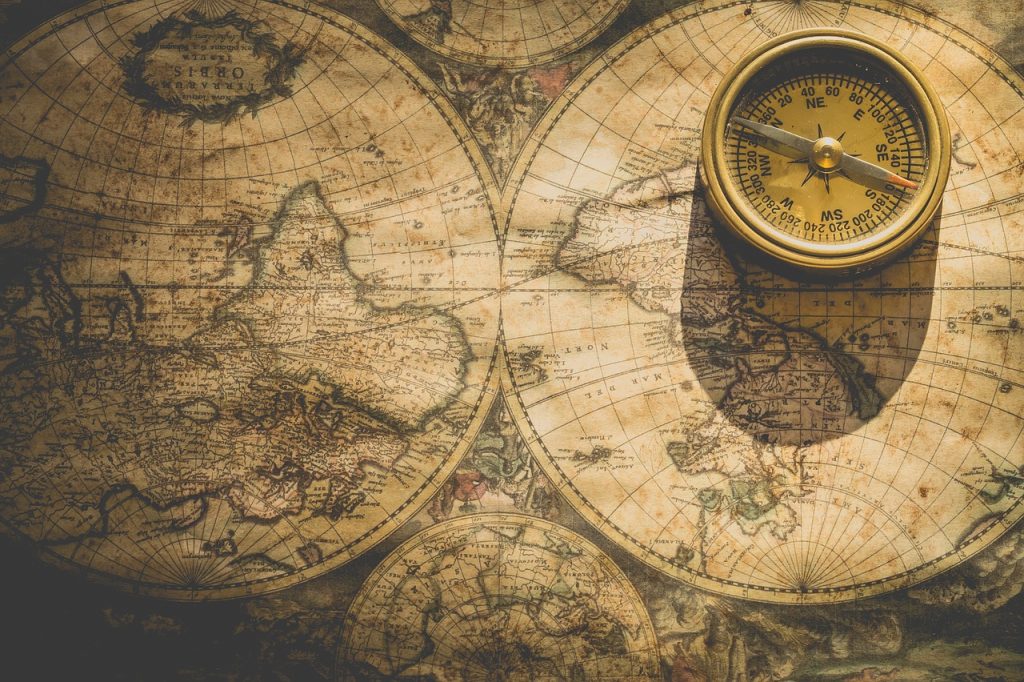
We will explore the history of cartography, map publishing and globe-making from the earliest of times through to the present day. Beginning in the ancient world we will quickly find ourselves in medieval Europe and beyond. The impact of printing and maritime exploration will be assessed and we will discuss the extraordinary stories of the Cassini family in France, the Ordnance Survey in Britain and the Great Trigonometric Survey of India. This deeply rich subject will open up many new insights and has the potential to surprise and shock.